
How do you measure the impact of patient advocacy?
Measure patient advocacy by the decisions patient insight changed, not by the meetings it took. Track what the input changed in protocols, evidence, access and launch plans. Track how advocacy organizations rate the relationship. Then report both in the language leadership uses. A function that shows what it changed earns its seat.
Why don't meeting counts prove the value of patient advocacy?
Because leadership acts on what changed, and a meeting count shows only activity.
Most industry advocacy teams still report activity. In the Archō BIOADVOCATE Benchmark 2024, 9 of 12 pharma and biotech advocacy teams measured success by the number of meetings held. The same teams describe the cost of that habit: 11 of 12 rate their discretionary budget as underfunded, and 8 of 12 run on five people or fewer.
The pattern is familiar. A team that reports activity is seen as a team that holds meetings. The way out is simple. Report the decisions patient insight changed, and the conversation moves from activity to influence.
The BIOADVOCATE Benchmark is a small, proprietary snapshot of 12 pharma and biotech advocacy teams, not an industry census.
What should a Patient Advocacy & Patient Engagement team measure instead?
Measure outcomes on two sides: what the input changed inside the company, and how the patient community rates the relationship.
- Decisions changed. Can your team list three decisions patient engagement changed last year? That is the single best test of influence.
- Protocol and evidence changes. Procedures removed, eligibility criteria relaxed, visit burden cut, patient experience evidence added to the dossier.
- Access and launch changes. Assistance program design, education materials and access plans that shifted because of what advocates said.
- Relationship quality. How advocacy organizations rate your company, measured independently, not by your own team.
- Enablers in place. Patient contracts, fair pay for patient time and a change log, in place by thirty-six months before approval.
Log the decision, the patient input behind it and the owner who acted. Also log the input the team could not act on, and why. That log becomes your budget case.
How do you measure how advocacy organizations see your company?
Ask them, through an independent study, and benchmark the answer against peers.
ELAVAY, Archō's syndicated advocacy intelligence study, asks patient advocacy organizations to rate the pharma and biotech companies they work with. Ratings use a 7-point scale where 4.0 marks the industry average. ELAVAY measures perception, never a team's effort or impact. That is the point: it shows how the community experiences your work, which your own activity reports cannot.
ELAVAY 2026 measured companies two ways. Reach is the breadth of advocacy attention a company earns. Regard is the quality of the relationship as advocacy organizations rate it. The winners are not the same. Scale buys reach. It does not buy respect. Report both scores, not just the one that flatters you.
How do you show leadership that advocacy influenced decisions and outcomes?
Tie each piece of patient input to a decision it changed, and show who acted on it.
Advocacy functions do not report return on investment. They report influence: insight that changed something the business decided. Insight without influence is a report on a shelf. Start with the decision log above. For each entry, name the decision, the patient input behind it and the outcome that followed, in the terms your clinical, access and commercial partners already use. A protocol change made before the protocol locks avoids an amendment. A launch material that works on day one avoids rework.
Be plain about what ELAVAY and the decision log can and cannot show. ELAVAY measures how the community perceives your work. The log shows what your team changed. Together they tell leadership where the patient voice moved a decision, and where it did not yet.
What does a good patient advocacy measurement framework look like?
It scores five areas, gives one readout and names the next move.
The Advocacy Influence Diagnostic scores the five areas that decide whether patient insight changes anything:
- The Seat. Who brings patient insight into product decisions with medical and clinical development.
- The Enablers. Contracts, fair patient pay and a change log, in place by thirty-six months before approval.
- The Speed. How fast your team can produce a patient experience summary and sign a patient expert.
- The Proof. Whether you can list three decisions patient engagement changed last year.
- The Mandate. Where the budget comes from and how close your reporting line sits to development.
The readout places a function in one of three tiers. Secure: relationships hold and the community trusts you. Aligned: your team connects patient insight to the business. Influential: patient insight changes decisions at your company and you can show it. An influential team publishes what changed and owns the next budget cycle.
Frequently asked questions
What is the best single metric for patient advocacy impact?
The number of company decisions patient input changed, with the evidence behind each one. If your team can name three decisions patient engagement changed last year, you can defend the budget. Meetings held is an activity count, not an impact measure.
How is measuring patient advocacy different from measuring marketing?
Marketing counts demand created. Patient advocacy counts decisions influenced: protocols designed once, evidence the dossier needed, access plans that fit how patients live. Do not confuse marketing with advocacy. The community notices, and so does compliance.
Who should measure how advocacy organizations perceive a company?
An independent party. Self-reported relationship scores carry little weight with leadership. ELAVAY is a syndicated study in which advocacy organizations rate the companies they work with, benchmarked back to 2015.
When should a team set up its measurement framework?
Before the activities it measures. The change log and the measurement framework should exist alongside patient contracts and fair pay, by about thirty-six months before approval.
How long does the Advocacy Influence Diagnostic take?
It has ten questions about your function and returns one readout: secure, aligned or influential. Archō emails the readout, and Matt Toresco walks through it with you in a debrief call.
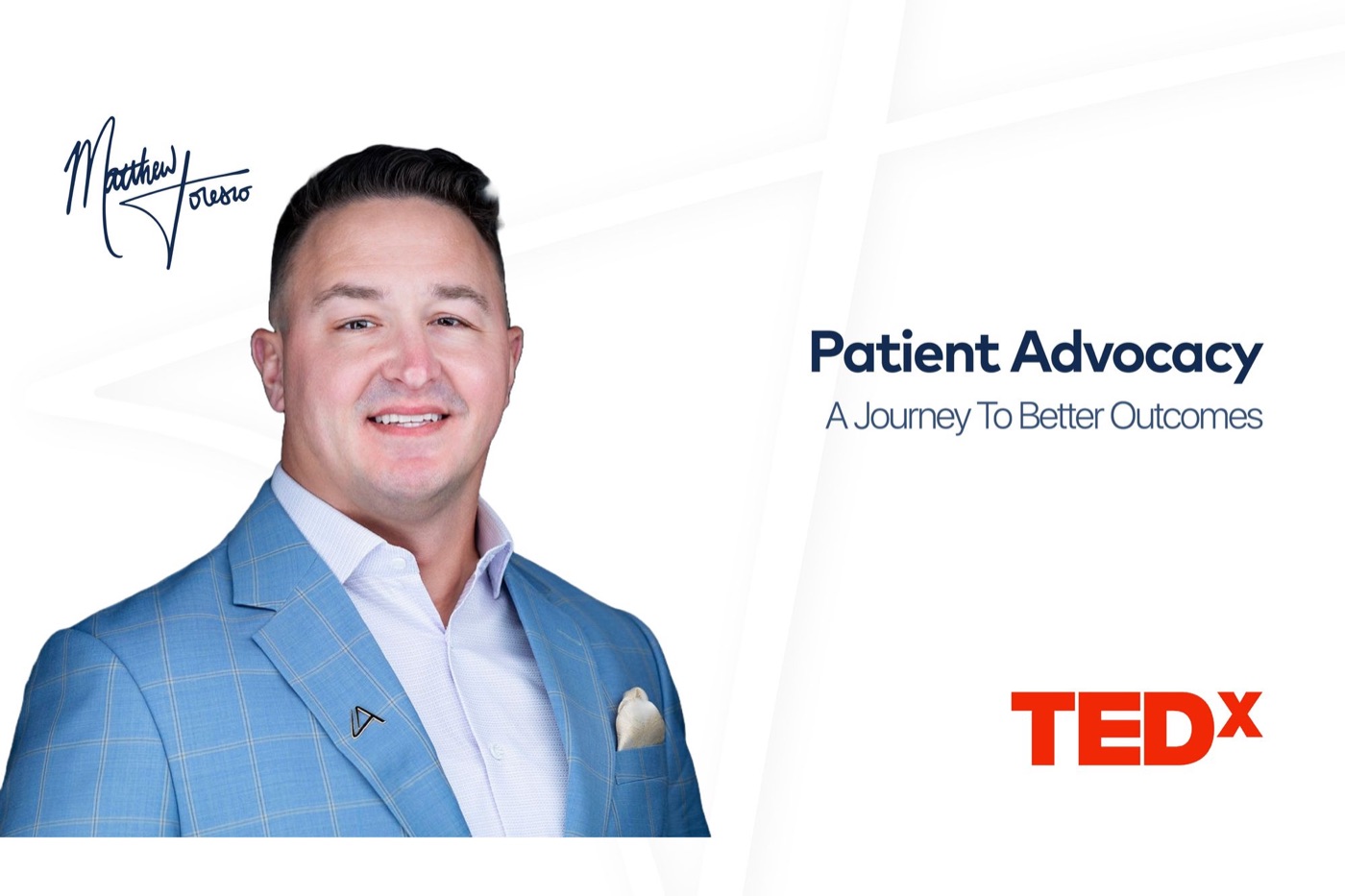
Matt has spent more than a decade guiding patient advocacy functions inside pharma, biotech and medical device. He runs his own nonprofit, EMPWRD Patient Foundation, and was a chronic pain patient: an 18-year cervical spine patient journey, including a 13-hour cervical reconstruction surgery in May 2023. He uses all of that experience to guide today's advocacy leaders to be their best. His TEDx Charleston talk on patient-led healthcare surpassed one million views as of April 2025.
Archō is an independent advocacy intelligence partner for life sciences. It runs ELAVAY, the syndicated advocacy intelligence study, plus Archō Advisory, Archō Training and the BIOADVOCATE Benchmark. About Archō
Know your tier. Then move up one.
Take the Advocacy Influence Diagnostic, or bring your decision log to a strategy call with Matt Toresco.