How do you bring the patient voice into launch and market access decisions?
Bring the patient voice in before decisions lock, not after. Put patient contracts and fair pay in place by thirty-six months before approval. Get insight in before endpoints and comparators lock. Carry what advocates say into access, affordability and launch plans. Then record what changed. Insight that changes no decision is not influence.
Why does timing decide whether patient insight shapes a launch?
Because the decisions that shape a launch lock years before it.
Endpoints and comparators lock at the scientific consultation, between thirty-six and eighteen months before approval. Patient input that arrives after that meeting can reach the protocol only through an amendment. The same logic runs through the evidence package and the access plan: the later the input, the more it costs to use.
The desired state looks like this. Contracts and a change log are standing thirty-six months out. Patient insight is in before endpoints lock. At approval, the company hands off to a community that already exists. See how Archō Advisory helps teams plan the timeline
What are patients up against at launch?
Access friction that the launch plan has to design around.
Market power adds to the friction. The American Medical Association found the four largest PBMs held 75 percent of the national market in 2024, up from 70 percent in 2022. A launch that ignores what patients face at the pharmacy counter will meet it anyway.
What do advocacy organizations want from industry on access and equity?
More support everywhere, most of all on equity, and a direct line to the leaders who decide.
In ELAVAY 2026, systemic barriers to equity is the widest gap between what advocacy organizations want and what industry supports: industry support 3.09, advocacy desire 5.22, a gap of 2.13 points on a 7-point scale. In oncology the gap is 1.93; in mental health, 2.93. Access to company leadership is the lowest-scoring relationship attribute, at 5.07.
That points to two moves for a launch team. Build equity into access and support design, not just the message. And give advocacy partners time with the leaders who make the access calls. See what ELAVAY measures
Can patient advocates actually change access rules?
Yes. Advocates can move these rules.
National Psoriasis Foundation President and CEO Leah Howard described one insurer's 2026 policy that required patients to try "14 other therapies, over 42 months" before reaching the psoriasis treatment their clinician wanted, Bio.News reported. The foundation and its partner groups in Pennsylvania got the insurer to cut the list to "five alternative therapies and 15 months."
That is what influence looks like from the community side. Industry teams that listen early learn where those rules bite, and plan for them before launch instead of after.
How do commercial and patient marketing teams use patient insight without crossing lines?
Keep advocacy and marketing distinct, and let insight shape decisions rather than messages alone.
- Route insight through the advocacy function. Relationships with advocacy organizations sit with the team that owns standard ways of working and transparency reporting.
- Pay fairly for patient time. Use a fair market value framework and clear contracts.
- Use insight for design, not just copy. Assistance programs, plain-language education and access support should change because of what advocates said.
- Close the loop. Tell the community what changed because of its input.
Archō Training uses the ACE model (Access, Credibility, Execution) to prepare commercial, advocacy and field teams to engage the right way. See Archō Training
How do you show leadership that patient input improved the launch?
Keep a change log and report decisions, not meetings.
For each piece of patient input, log the decision it touched, what changed and who acted. Report procedures removed, eligibility criteria relaxed, materials redesigned and access support changed. Add how advocacy organizations rate the relationship over time. Take the Advocacy Influence Diagnostic
Frequently asked questions
When should patient advocacy get involved in launch planning?
Years before launch. Contracts and fair pay should be in place by about thirty-six months before approval, and patient insight should reach the protocol before endpoints and comparators lock at the scientific consultation.
What does ELAVAY say advocates want most from industry?
In ELAVAY 2026, the widest gap between what advocates want and what industry supports is systemic barriers to equity, at 2.13 points on a 7-point scale. Access to company leadership is the lowest-rated relationship attribute, at 5.07.
How common are formulary-related rejections for new brand-name drugs?
A JAMA study published July 9, 2026 found 32 percent of initial attempts for single-source brand-name drugs were rejected for formulary-related reasons. Among those, 48.4 percent were not followed by a same-class fill within 90 days.
Is patient input in launch a marketing activity?
No. Patient marketing builds brand with communities. Advocacy brings patient insight into decisions and protects the community's trust. Keep the two distinct, with clear contracts and fair pay for patient time.
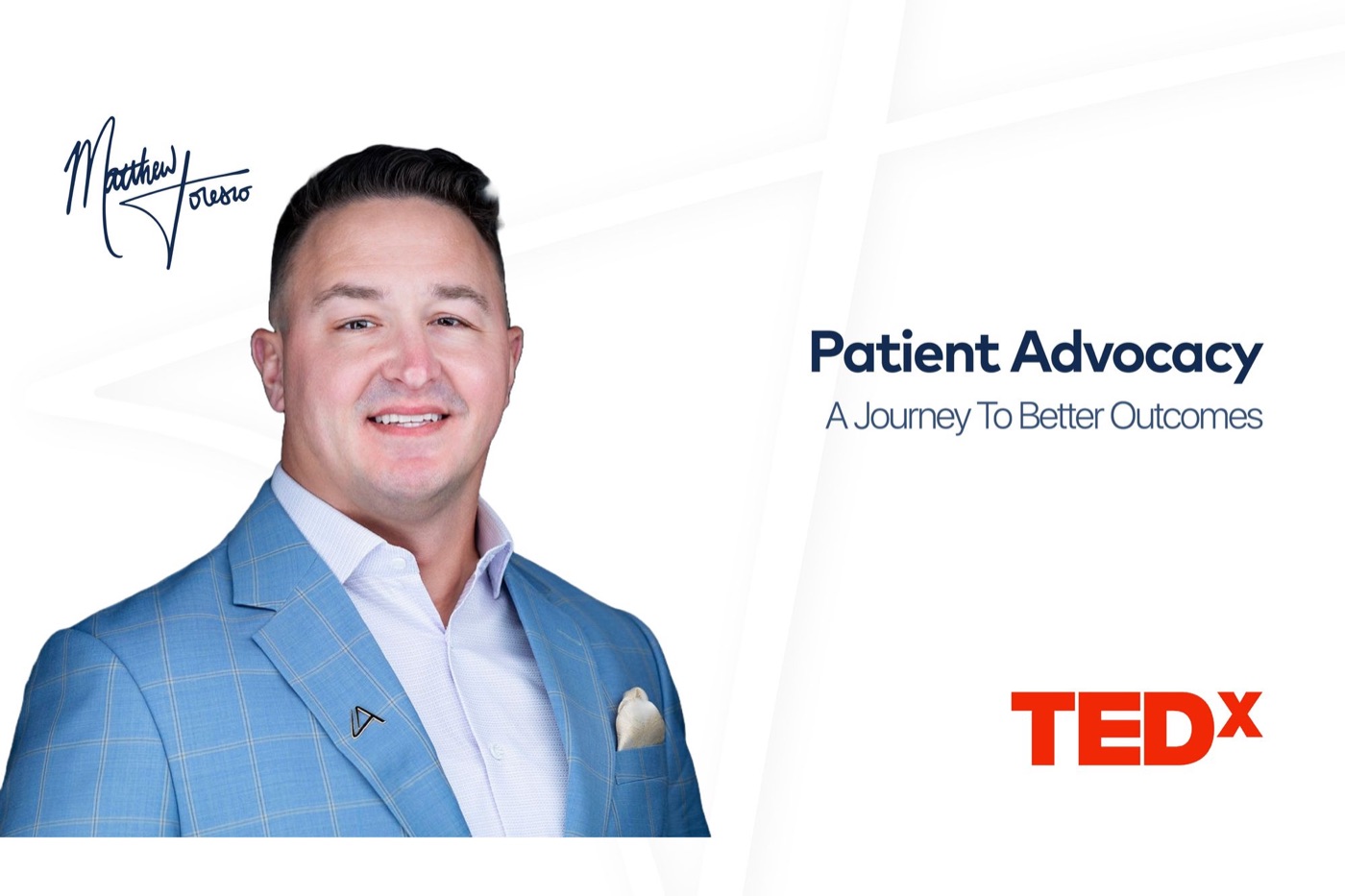
Matt has spent more than a decade guiding patient advocacy functions inside pharma, biotech and medical device. He runs his own nonprofit, EMPWRD Patient Foundation, and was a chronic pain patient: an 18-year cervical spine patient journey, including a 13-hour cervical reconstruction surgery in May 2023. He uses all of that experience to guide today's advocacy leaders to be their best. His TEDx Charleston talk on patient-led healthcare surpassed one million views as of April 2025.
Archō is an independent advocacy intelligence partner for life sciences. It runs ELAVAY, the syndicated advocacy intelligence study, plus Archō Advisory, Archō Training and the BIOADVOCATE Benchmark. About Archō
Design the launch once.
Bring your launch timeline to a strategy call. Leave knowing which patient decisions are still open and who should own them.